

Stories of the Chilkat Valley
From ancient trade routes and Tlingit traditions to gold rush adventures, historic Fort Seward, and Hollywood movie sets, discover the stories that shaped Haines, Alaska.
Every place has a story, but in Haines, history is all around you.
It's in the historic buildings overlooking Portage Cove, the trails that once connected coastal communities with the interior, and the waterfront where generations of families have made their living. It's in the stories shared by local museums, the traditions carried forward by the Chilkat and Chilkoot Tlingit people, and even the buildings left behind by a Hollywood movie.
The Chilkat Valley's history is rich, layered, and still unfolding. Whether you're exploring downtown Haines, visiting the village of Klukwan, or traveling along the Haines Highway, there are stories waiting to be discovered.
A Valley of Living Traditions
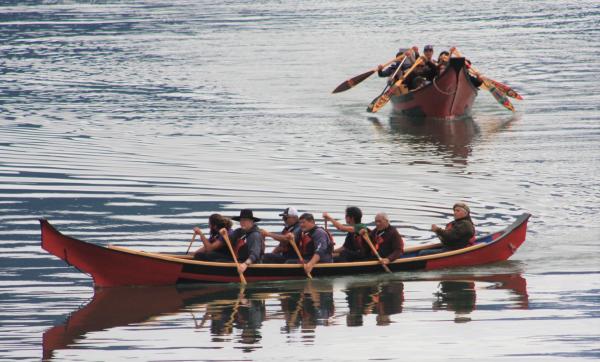
Long before the town of Haines was established, the Chilkat and Chilkoot Tlingit people lived, traded, and traveled throughout this region. Their deep connections to the land, rivers, and waterways shaped a thriving culture that continues today.
The Chilkat Valley was an important center of trade between coastal communities and the interior. Established routes through the mountains allowed goods, knowledge, and traditions to move between Southeast Alaska and what is now the Yukon.
Today, visitors can learn about this living heritage at the Jilkaat Kwaan Heritage Center and Bald Eagle Preserve Visitor Center in Klukwan, approximately 22 miles north of Haines. The center shares the art, history, and cultural traditions of the Chilkat Tlingit people and is home to the historic Whale House Collection.
Closer to town, the Haines Sheldon Museum offers another opportunity to explore the region's Indigenous history through cultural belongings, artwork, photographs, and exhibits that connect the past with the present.
These are not simply stories of long ago. Tlingit culture, art, language, and traditions remain an essential part of life in the Chilkat Valley.
Trails, Gold & a Growing Community
As newcomers began arriving in Southeast Alaska during the late 1800s, the Chilkat Valley became an important gateway to the interior.
The Dalton Trail, developed as a commercial route by Jack Dalton in the 1890s, followed portions of long-established Tlingit trading routes. It connected the coast with the Yukon and became an important transportation corridor during the Klondike Gold Rush.
Gold discoveries in the nearby Porcupine mining district in 1898 brought prospectors and new activity to the region. Mining camps, supply routes, and businesses grew as people sought their fortunes in the mountains and creeks surrounding Haines.
Travelers along the Haines Highway can still find reminders of this history, including the historic Dalton Trail Post and interpretive markers near the international border. These sites help tell the story of the people and trade routes that connected the Chilkat Valley to Alaska's interior and the Yukon.
More than a century later, the Porcupine area's mining history gained renewed attention when the Discovery Channel began filming Gold Rush Alaska near the historic mining district in 2010.
The Mission & the Early Town of Haines
Another chapter in the community's history began with the establishment of the Presbyterian mission in the late 19th century.
The mission played a significant role in the development of the town that would become Haines, bringing new institutions, buildings, and settlers to the area. Its history also includes the difficult legacy of missionary education and efforts to replace Indigenous languages and cultural practices.
The Presbyterian Church and the surrounding historic neighborhood remain reminders of this period and the complex changes experienced by the community.
One particularly charming connection to early Haines can be found outside the Haines Sheldon Museum, where a historic apple tree recalls the work of Charles Anway, an early homesteader and horticulturist.
Anway experimented with growing fruit in the Chilkat Valley, and the tree on the museum grounds is associated with his gift to the children of Haines. It's a small but meaningful reminder of the families who helped shape the community.
Fort William H. Seward: A Landmark on the Waterfront
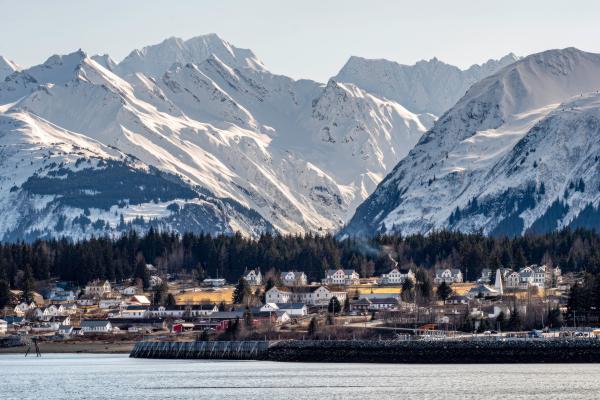
One of Haines' most recognizable historic landmarks is Fort William H. Seward, overlooking Portage Cove.
Established in the early 1900s, the fort was built during a period when the United States was expanding its military presence in Alaska. Its distinctive buildings and parade grounds became a defining feature of the town.
After the fort was deactivated following World War II, a group of veterans and their families purchased the property, transforming the former military installation into a civilian community.
Today, Historic Fort Seward is home to residences, galleries, businesses, and gathering places. Visitors can walk through the former parade grounds, admire the historic architecture, and enjoy views of the waterfront and surrounding mountains.
A self-guided walking tour is a wonderful way to explore the fort's history and see how these buildings have found new purposes over the years.
Fishing, Canneries & the Working Waterfront
Long before commercial canneries arrived, salmon and other marine resources sustained the Chilkat and Chilkoot Tlingit people and were central to their culture, trade, and way of life.
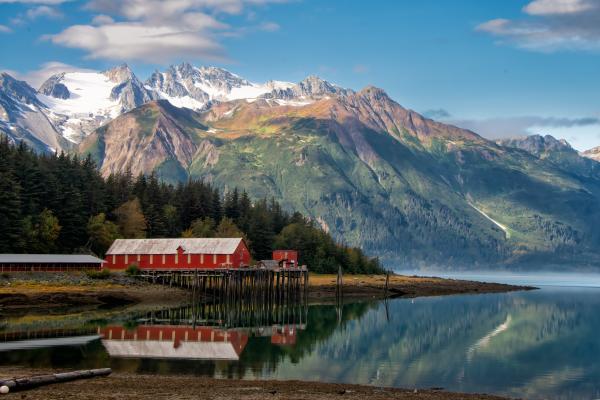
As the commercial fishing industry expanded in the late 1800s, canneries appeared along the shores of Chilkat Inlet, Lutak Inlet, and surrounding waterways. These bustling operations brought workers, fishing boats, and new economic opportunities to the region, becoming an important part of Haines' development.
While many of the historic canneries have disappeared, the fishing industry remains an important part of the community today.
Haines Packing Company, established in 1917 at Letnikof Cove, is a wonderful example of that connection between past and present. Although the original cannery no longer cans salmon, the company continues to process wild Alaska seafood from local fishermen.
Visitors can discover a taste of this living history at the company's Main Street retail shop, where locally sourced seafood and specialty products offer a connection to Haines' working waterfront.
It's a reminder that the history of Haines isn't simply something preserved in museums. In many ways, it's still being written.
The Logging Years
Fishing wasn't the only industry that shaped Haines.
During the mid-20th century, timber harvesting and sawmills became major sources of employment in the Chilkat Valley. Logging operations expanded, and mills at Jones Point and Lutak Inlet processed timber that was shipped to markets beyond Alaska.
For many local families, the logging industry provided livelihoods and helped support a growing community. Its boom years brought economic activity, new infrastructure, and changes to the landscape.
As the industry declined and mills closed, Haines faced another period of transition.
The logging era remains an important part of the community's history, connecting the stories of local workers, families, economic change, and the natural resources of the Chilkat Valley.
When Hollywood Came to Haines
Not every chapter of Haines history happened a century ago!
In 1990, Hollywood arrived in the Chilkat Valley when Disney filmed portions of White Fang, starring Ethan Hawke, in the Haines area.
The production brought film crews, actors, and plenty of excitement to the community. Local residents worked as extras, helped construct sets, and supported the production.
One of the most lasting reminders of the movie can still be found at the Southeast Alaska State Fairgrounds.
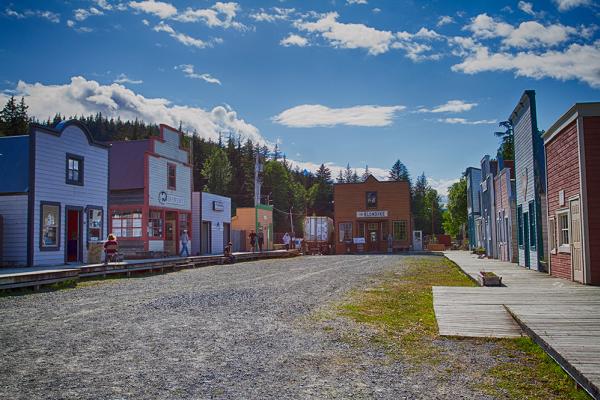
The buildings that made up the film's frontier town were relocated from the banks of the Chilkat River to the fairgrounds in 1992, where they became Dalton City.
Today, these rustic storefronts provide space for local businesses, artists, and community events. Walking through Dalton City is a fun way to experience a little movie history while exploring another part of Haines.
It's one of those unexpected stories that makes our small town so interesting.
Four Places Keeping the Stories Alive
Haines and the Chilkat Valley are home to four distinctive museums and cultural centers, each offering a different way to understand the region.
The Haines Sheldon Museum, located downtown on Main Street, brings together the art, history, and cultures of the Chilkat Valley. Its collections and exhibits share stories of Indigenous heritage, early settlement, industry, and everyday life in Haines.
Just down the street, the Hammer Museum offers a fascinating and unexpected journey through the history of tools and craftsmanship. Its remarkable collection of hammers from around the world reveals how people have worked, built, and created across generations.
At the American Bald Eagle Foundation, visitors can explore the wildlife and natural history of Southeast Alaska. Through education, exhibits, and its Raptor Center, the foundation supports its mission of conserving bald eagles and their habitat through education and stewardship.
And in Klukwan, the Jilkaat Kwaan Heritage Center and Bald Eagle Preserve Visitor Center provides an opportunity to learn about the history, art, and living cultural traditions of the Chilkat Tlingit people.
Together, these four destinations offer an incredible introduction to the stories, cultures, wildlife, and creativity of the Chilkat Valley.
History Beyond the Museums
Some of Haines' most interesting historical discoveries are found outside museum walls.
The Haines Borough Public Library features resources exploring the Indigenous culture and history of the Chilkat Valley, including an interactive map that helps visitors learn about the area's geography and cultural connections.
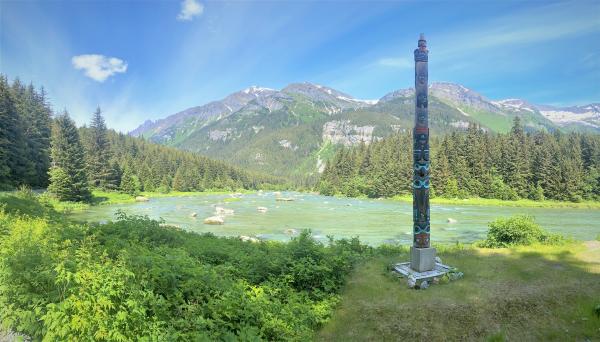
Along the Chilkoot River, Deer Rock is a place of cultural significance connected to the history and traditions of the Chilkoot Tlingit people. Its importance extends far beyond its appearance as a natural landmark, and visitors should approach the area with respect.
Throughout town and along the Haines Highway, historic buildings, interpretive signs, and landmarks offer additional glimpses into the valley's past.
Sometimes the most memorable discoveries happen when you slow down, look a little closer, and learn the story behind a familiar place.
Discover the Stories of Haines
From ancient trading routes and living Tlingit traditions to gold rush history, military landmarks, commercial fishing, timber mills, and Hollywood movie sets, the Chilkat Valley has no shortage of stories to tell.
What makes Haines special is how much of that history remains part of the community today.
A former military fort has become a neighborhood. A movie set has become a gathering place for local makers. A historic seafood company continues to support the fishing industry. And cultural traditions passed down through generations remain a vital part of the valley.
Whether you have an afternoon or several days, take time to explore the places, people, and stories that make Haines unique.
For more historical attractions, museums, and cultural experiences, explore VisitHaines.com or stop by the Haines Visitor Center at 122 Second Avenue for maps, local information, and recommendations.
Visitor tip: Museum and cultural center hours may vary seasonally. Check directly with each location before visiting.


